
Acne scars
The treatment aims to smooth the skin's surface by reducing the depth and visibility of pitted acne scars for a more even complexion.
Acne scars
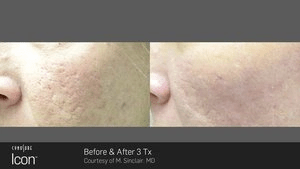
Disclaimer: Results may vary from person to person depending on individual skin condition and clinical assessment
TREATMENT TIME - 60-90 minutes
DOWNTIME - 7-14 days of significant social downtime
RESULTS - Initial improvement seen after 3 months; optimal results typically require 2-4 treatment sessions, with continued collagen remodeling for up to 12 months.
METHOD - Fractionated Carbon Dioxide (CO2) or Erbium Laser, often at higher energy settings.
-
The laser is focused on areas of the face with pitted or textured scarring, most commonly the cheeks, temples, and jawline.
-
The treatment aims to smooth the skin's surface by reducing the depth and visibility of pitted acne scars for a more even complexion.
-
By creating microscopic wounds, the laser stimulates the body to produce new collagen and skin tissue, which fills in and softens the depressed contours of acne scars.
-
This procedure specifically targets atrophic (depressed) and pitted scarring caused by acne, aiming to resurface and smooth the skin's texture.
Who Should Have This Treatment?
Individuals seeking to smooth and resurface skin pitted or textured from past acne.
Fractional Laser Resurfacing for Acne Scars
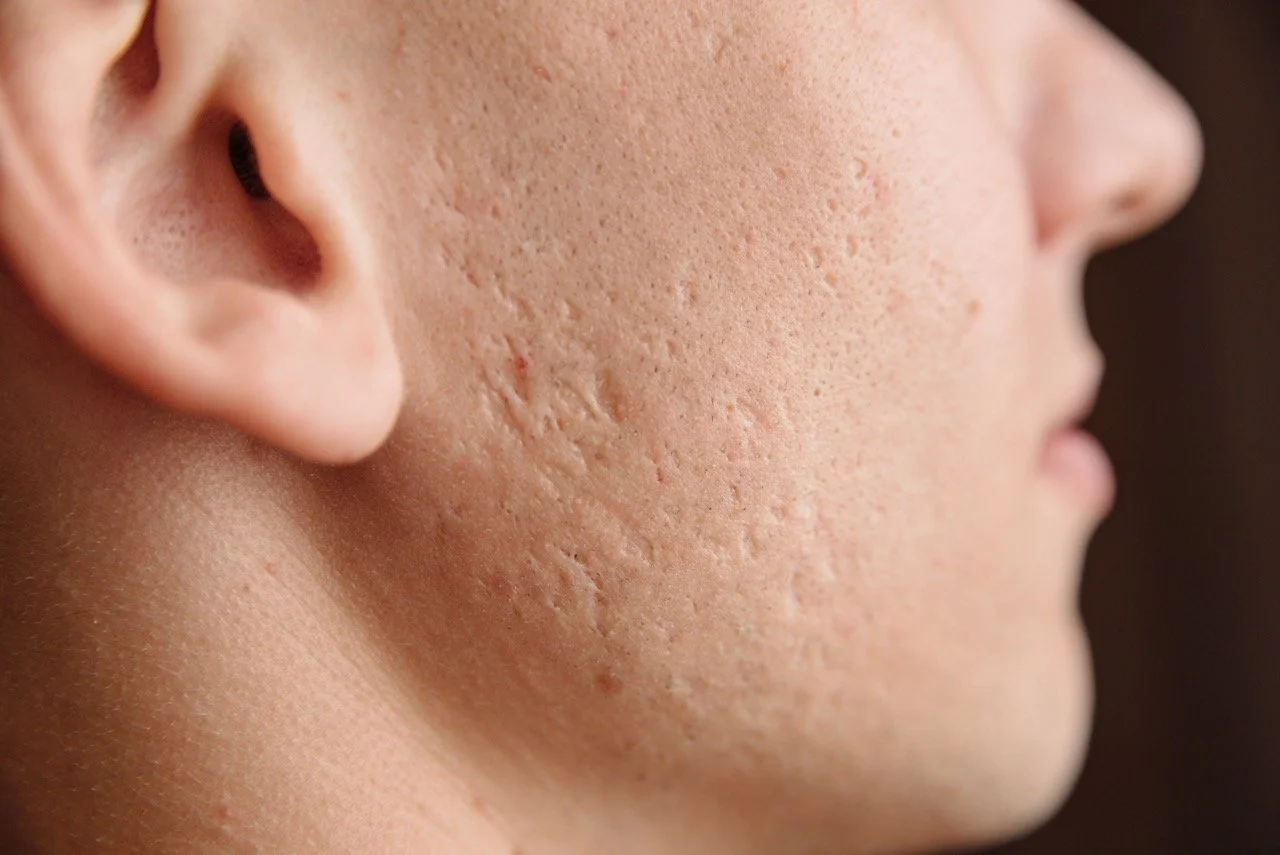
Acne scars form as the skin heals over once large and inflamed pimples, sometimes resulting in hyperpigmentation and texture irregularities.
These scars usually take one of three different forms.
Ice pick scars are small holes in the skin that look as though they have been pierced by something sharp
Rolling scars occur when scar tissue forms under the skin, giving an uneven appearance on the surface
Boxcar scars cause rounded “crater-like” indents in the skin.
Acne scars can be distressing, and affect the self-confidence of the sufferer greatly. This type of scarring can be treated successfully with laser treatment. The Icon™ 1540 can effectively stimulate collagen growth and repair damage caused by scarring. Add stem cell (exosome) treatment integration to enhance results and reduce downtime.
-
Redness, swelling, oozing, crusting, itching, prolonged erythema (redness), risk of hyperpigmentation or hypopigmentation, and rare infection or scarring.
-
Meticulous wound care is crucial. This includes frequent application of a prescribed healing ointment, gentle cleansing with a recommended solution, and strict avoidance of sun exposure. Use a physical sunscreen (zinc/titanium) daily after re-epithelialization (when the skin surface has fully healed).