
Surgical Scars
The treatment aims to improve the scar's appearance by reducing redness, flattening raised texture, increasing skin flexibility, and blending it with the surrounding skin.
Surgical Scars
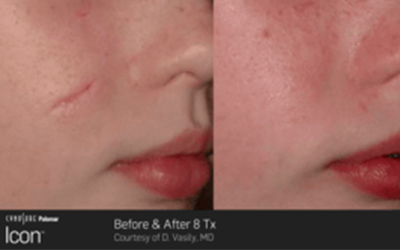
TREATMENT TIME - 15-45 minutes
DOWNTIME - 3-7 days of redness, swelling, and pinpoint scabbing
RESULTS - Initial improvement in 4-6 weeks; full collagen remodelling takes 3-6 months per session. Multiple sessions are almost always required.
METHOD - Non-ablative laser.
-
This treatment is precisely targeted at the specific location of a raised, discoloured, or tight surgical scar anywhere on the body.
-
The goal is to improve the scar's appearance by reducing redness, flattening raised texture, increasing skin flexibility, and blending it with the surrounding skin.
-
The laser creates microscopic channels in the scar tissue, which breaks down dense collagen fibers and stimulates a controlled healing response to remodel the scar with healthier, more pliable skin.
-
This procedure specifically targets mature, hypertrophic, or keloid surgical scars to improve their color, texture, and pliability.
Who Should Have This Treatment?
For those wanting to improve the appearance, texture, and colour of scars resulting from surgery.
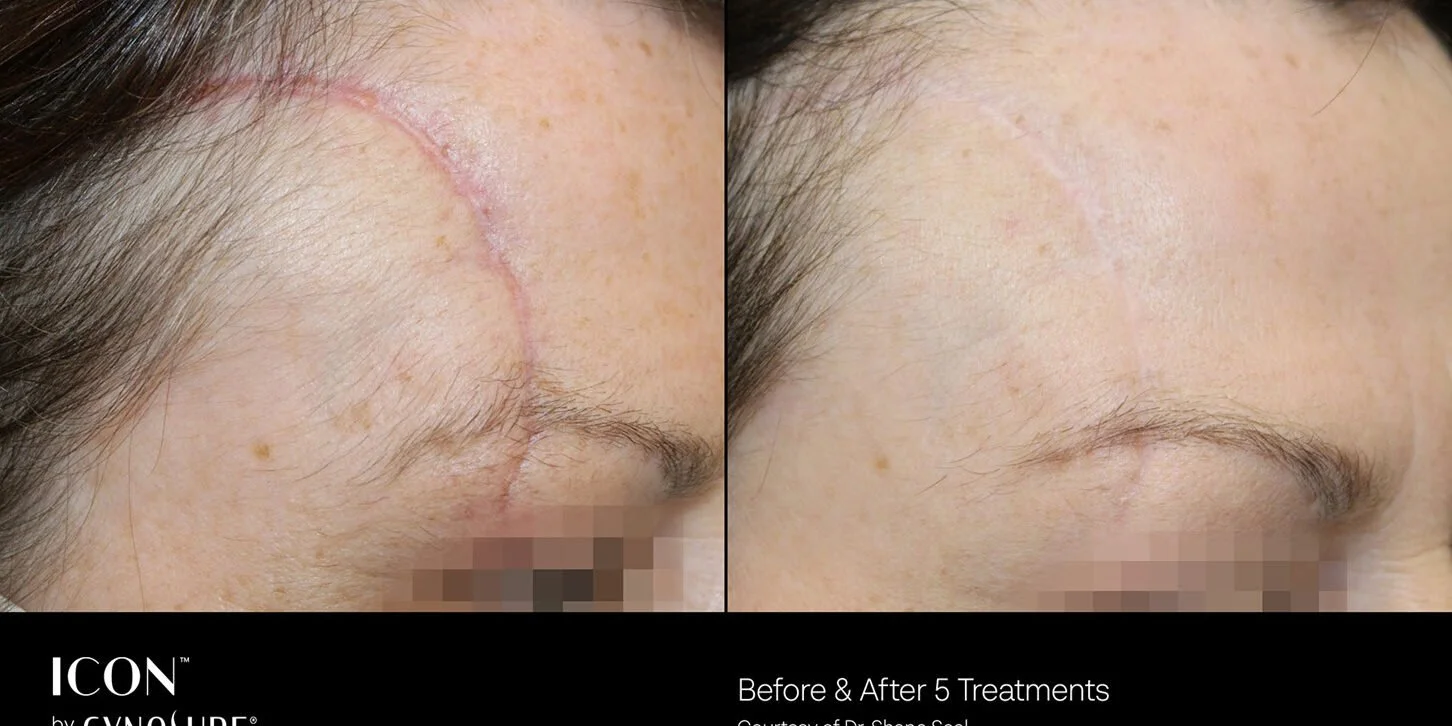
Fractional Laser Resurfacing for Surgical Scar Revision
Surgical scars, while a natural part of the healing process, can sometimes heal in a way that is raised, discoloured, or textured. External factors like sunlight, friction, and tension on the wound can contribute to the formation of these abnormal and unsightly scars. Fortunately, advanced treatments like fractional laser resurfacing can significantly improve their appearance. Add stem cell (exosome) treatment integration to enhance results and reduce downtime.
How It Works: The Science of Skin Renewal
Fractional laser resurfacing, such as treatments performed with the Icon™ 1540 laser, works by harnessing the body’s natural healing ability to remodel scar tissue. The laser creates thousands of microscopic channels in the skin, leaving the surrounding tissue intact. This precise, controlled injury serves a powerful purpose:
Promotion of Cellular Re-organisation: The laser energy breaks down the disorganised collagen and fibrous tissue that makes a scar raised and uneven.
Stimulation of New Collagen Growth: The body responds to the micro-injuries by initiating a robust healing response, producing fresh, healthy collagen and elastin. This process, known as neocollagenesis, gradually replaces the damaged scar tissue with smoother, more naturally textured skin.
The Treatment Process
The procedure is designed to be effective yet manageable. Treatments are performed in quick, in-office sessions with minimal downtime. A series of treatments spaced several weeks apart is typically recommended to achieve optimal, progressive results as new collagen continues to form over time.
Ideal Candidates and Results
This treatment is particularly effective for a variety of scar concerns, including:
Color: Reducing persistent pink or red discolouration (erythema).
Texture: Smoothing raised (hypertrophic) and rippled scars.
Pliability: Softening hard, tight scar tissue.
By directly addressing the structural flaws of the scar, fractional laser resurfacing can lessen the appearance of unsightly scarring, helping the skin to look healthier, smoother, and more unified with the surrounding tissue.
-
Redness, swelling, bruising, hyperpigmentation, hypopigmentation, and a small risk of scarring.
-
Keep the area clean and moist with a recommended ointment. Strict sun protection with a high-SPF sunscreen is mandatory. Do not pick at scabs.