
Sclerotherapy
You can expect a visible reduction in the appearance of thread veins and small varicose veins, with smoother, more even skin as treated veins fade over the following weeks.
Sclerotherapy
TREATMENT TIME - 30-45 minutes
DOWNTIME - None to minimal
RESULTS - Initial fading from 3 weeks, continued improvement over the following weeks. A repeat session may be recommended.
METHOD - Injection sclerotherapy
-
Sclerotherapy can be used on thread veins, spider veins, and small varicose veins on the legs, face, hands, chest, and other areas of the body. The approach is tailored to the size, depth, and location of the veins being treated, and not every area is suitable for every patient.
-
Most people see treated veins begin to fade from around 3 weeks, with continued improvement over the following weeks as the veins are gradually reabsorbed. Some veins respond fully after one session, while others benefit from a repeat treatment for optimal results.
-
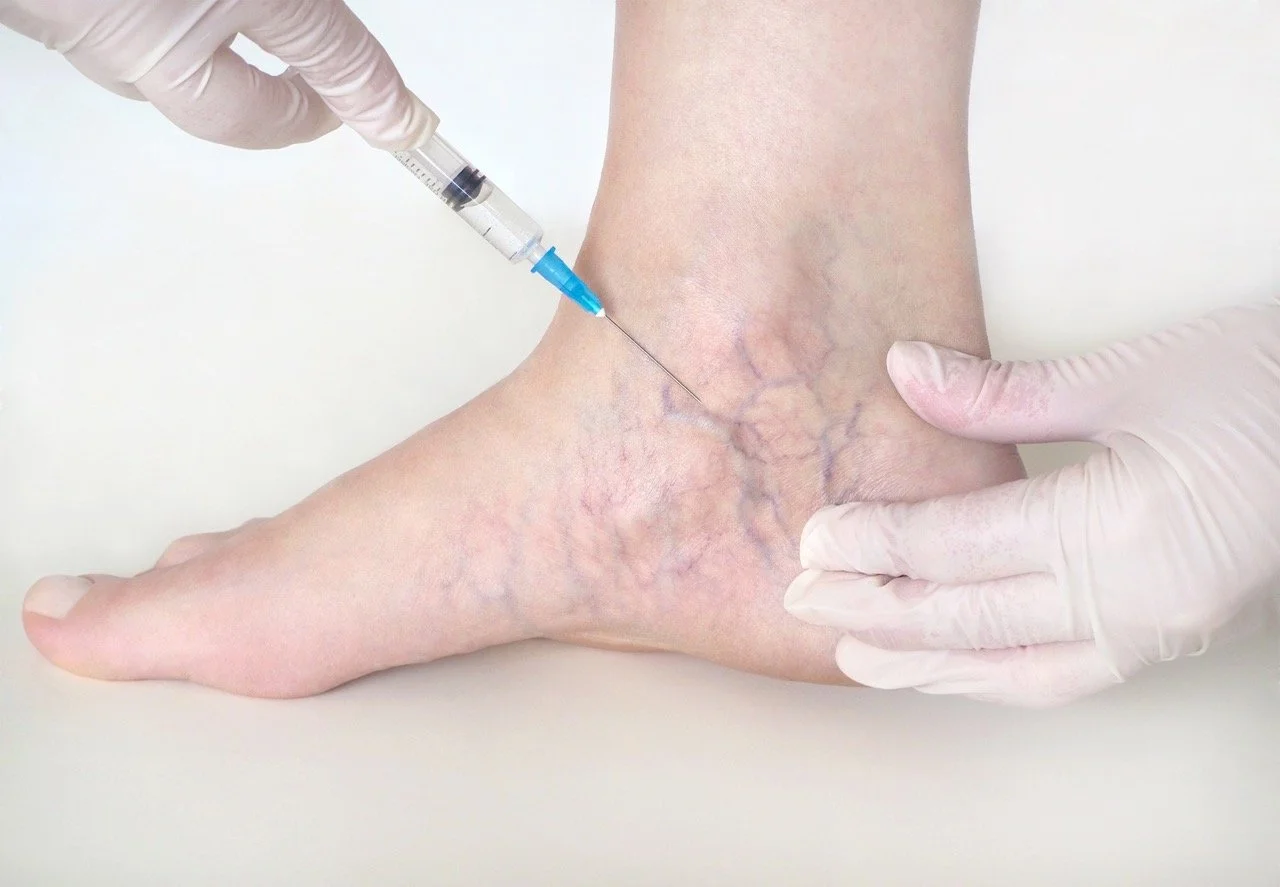
A fine needle is used to inject a sclerosing solution directly into the target vein. This irritates the vein lining, causing it to collapse and scar shut. Blood reroutes to healthier veins nearby, and the treated vein fades from view as the body reabsorbs it over time.
-
Sclerotherapy is designed for visible thread veins, spider veins, and small varicose veins that haven't responded to lifestyle changes such as compression wear or elevation. It's not suitable for larger varicose veins requiring surgical or endovenous treatment, which will be assessed at consultation.
Who Should Have This Treatment?
Ideal for anyone bothered by the appearance of thread veins, spider veins, or small varicose veins on the legs, face, hands, or elsewhere on the body.
Sclerotherapy is a well-established, minimally invasive treatment that has been used safely for decades. At Maynooth Medical Skin and Laser, a sclerosing solution is injected directly into the affected vein, causing it to gradually collapse and fade from view. It's often chosen by people looking for a straightforward, non-surgical way to even out skin tone, particularly where veins have developed with age, pregnancy, prolonged standing, or a family history of vein issues.
A consultation will confirm which of your veins are suitable for sclerotherapy, and whether a different approach would suit you better.
What to expect during the procedure
Consultation – A skincare specialist examines the veins you'd like treated, reviews your medical history, and confirms sclerotherapy is a suitable option for you.
Preparation – The area is cleansed, and you're positioned comfortably to allow easy access to the veins being treated.
Injection – A fine needle is used to inject the sclerosing solution into each targeted vein. Most people describe a mild sting or cramping sensation rather than significant discomfort.
Post-Treatment Care – Compression stockings or support may be recommended for treated leg veins to aid healing, along with guidance on activity levels for the following days.
Results and recovery
Treated veins typically begin to fade within 3 to 6 weeks, with smaller veins often responding faster than larger ones.
Some bruising, redness, or minor swelling around the injection sites is common and usually settles within a week or two.
Most people return to normal daily activities the same day, though strenuous exercise and prolonged sun exposure are best avoided for the period advised by your practitioner.
More than one session may be needed for extensive veins or to achieve your desired level of improvement, spaced several weeks apart.
-
As with any injectable treatment, sclerotherapy carries potential risks. These can include bruising, temporary discolouration or pigmentation changes, minor swelling, and, rarely, allergic reaction to the solution used. Very rarely, small clots can form near the treated vein. All risks and side effects are discussed in full during your consultation.
-
Wear compression stockings or support garments if recommended, particularly for leg veins.
Avoid strenuous exercise, hot baths, saunas, and prolonged sun exposure for the period advised by your practitioner.
Keep the treated area clean and avoid excessive rubbing or pressure in the days following treatment.
Gentle walking is usually encouraged to support healthy circulation during recovery.
Contact the clinic if you notice increasing pain, swelling, or signs of infection at the injection sites.